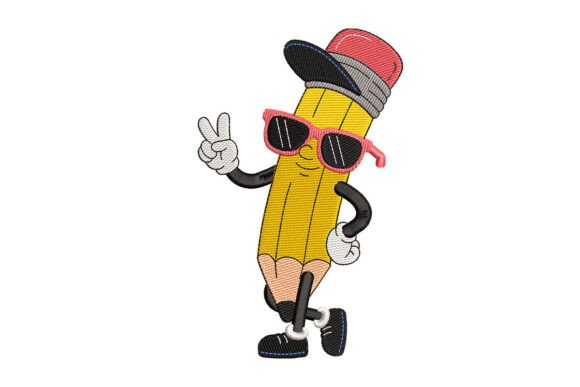
Pencil with Sunglasses: A Designer’s Review
As an embroidery designer who has spent years digitizing for small businesses, I approach every new machine embroidery design with a critical eye. It is not just about whether the artwork looks cute on a screen; it is about how that design translates into thread, how it holds up on fabric, and ultimately, how it serves the brand identity of the client using it. Recently, I reviewed the Pencil with Sunglasses - Back to School design, and while its primary categorization is educational, its potential for broader commercial application is surprisingly robust.
This review is written for small business owners, Etsy sellers, apparel decorators, and crafters who are considering adding this piece to their library of design assets. We will look beyond the obvious seasonal use and evaluate its viability for branded merchandise, patches, and custom apparel.
First Impressions: Visual Personality and Appeal
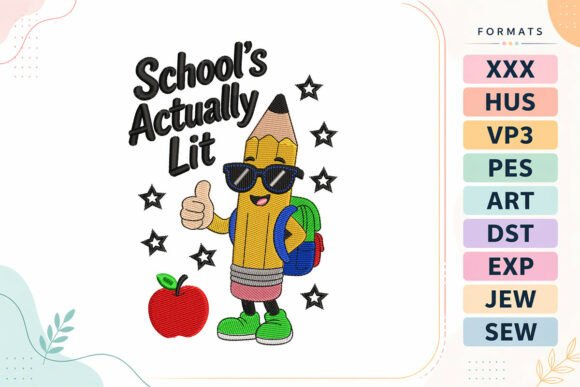
The first thing that strikes you about the Pencil with Sunglasses - Back to School motif is its attitude. It is playful, funky, and undeniably cool. In a market saturated with generic apples and rulers, a pencil character wearing sunglasses offers a distinct personality. It feels modern and slightly irreverent, which is a refreshing change from traditional, stiff academic imagery.
From a design perspective, the concept relies on strong shapes. The body of the pencil provides a solid vertical anchor, while the sunglasses add a horizontal element that draws the eye to the "face" of the character. This balance is crucial for embroidery, where complex details can get lost. The design feels friendly and approachable, making it an excellent candidate for brands that want to project a fun, creative, or youth-oriented image. However, for a luxury or strictly corporate brand, this whimsical style might feel too casual. It is best suited for boutiques, creative studios, bakeries, or any business aiming for a handmade, personable touch.
Real-World Business Applications
While the title suggests a focus on students, the versatility of this digital embroidery file extends far beyond the classroom. Here is how I envision this design performing in real-world commercial scenarios:
- Branded Patches: This is perhaps the strongest use case. The bold outlines and distinct shape make it ideal for an embroidered patch. A local coffee shop or bookstore could use this as a fun logo accent on tote bags or staff uniforms. Patches allow for pre-production quality control, ensuring every unit looks perfect before application.
- Custom Apparel and Uniforms: For creative agencies or art supply stores, this design works beautifully as a chest logo on polo shirts or hoodies. It adds a touch of humor to staff uniforms, making employees appear more approachable and fun.
- Tote Bag Design: Canvas totes are a staple for small business merch. Placing this character prominently on a natural cotton tote creates an instant bestseller for back-to-school campaigns or teacher appreciation gifts.
- Apron Embroidery: Imagine this on the aprons of a bakery or a craft workshop instructor. It reinforces the idea of creativity and tools of the trade, aligning perfectly with the business’s core activity.
- Cap Embroidery: A smaller version of this design could work on the front of a baseball cap. The sunglasses provide a recognizable silhouette even at a reduced size, which is vital for headwear branding.
Technical Considerations for Production
Before running this design on your machine for a large order, there are several technical factors to consider. As a designer, I always advise checking the specific details of the embroidery file provided by the seller, such as stitch count and recommended hoop size, as these were not explicitly detailed in the product description.
Stitch Density and Fabric Texture
The success of any embroidery project depends heavily on stitch density. If the design is too dense, it can cause puckering, especially on lighter fabrics like standard t-shirt jersey. Conversely, if it is too sparse, the fabric underneath might show through, ruining the visual impact. When testing this design, I recommend starting with a medium-weight cotton or a stable twill. If you are embroidering on textured fabric, such as a thick towel or a rough canvas, ensure the underlay stitches are sufficient to create a smooth foundation.
Thread Colors and Contrast
The "sunglasses" element relies entirely on contrast. If you are stitching this on a dark uniform, you must choose thread colors that pop. Black sunglasses on a navy shirt will disappear. Always create a printable mockup or do a physical test stitch to verify that the thread colors provide enough separation between the pencil body, the sunglasses, and the background fabric.
Stabilizer Selection
For items that will undergo frequent washing, such as kids’ t-shirts or daily-use aprons, the choice of stabilizer is non-negotiable. A cut-away stabilizer is generally recommended for garments to maintain the integrity of the design over time. For patches or tote bags that do not stretch as much, a tear-away might suffice, but always test on a scrap piece of your actual production fabric first.
Strategic Branding and Customer Trust
Using a unique design like Pencil with Sunglasses - Back to School can significantly enhance your brand identity. In a sea of generic clipart, a well-executed embroidery design signals quality and attention to detail. It tells the customer that you care about the finished product.
For Etsy sellers and handmade brands, this design can serve as a signature element. Consistency is key; if you use this character on your packaging, social media graphics, and physical products, it builds recognition. Customers begin to associate that cool, sunglass-wearing pencil with your specific brand of creativity. This visual consistency fosters trust and encourages repeat business.
Moreover, offering customized items with this design adds perceived value. A plain pencil case is a commodity; a pencil case with a high-quality, quirky embroidered patch is a gift. This distinction allows small businesses to command higher price points and differentiate themselves from mass-market competitors.
Where to Use Caution
While versatile, this design is not without its limitations. Here are scenarios where you should proceed with care:
- Very Small Sizes: If you shrink the design too much for a tiny label or a small pocket logo, the details of the sunglasses may merge with the pencil body. Always check the minimum recommended size provided with the file.
- Curved Surfaces: Embroidering on curved areas, like the front panel of a structured cap, requires careful hooping. Ensure the design is centered correctly to avoid distortion.
- Dark Uniforms: As mentioned, contrast is critical. Without proper thread selection, the design can look muddy on dark backgrounds.
- Commercial Licensing: Before using this for any commercial embroidery project, confirm the license terms. Most digital files come with specific rules regarding the number of units you can produce or whether you can resell the digital file itself. Never assume; always read the license agreement.
Final Verdict for Designers and Makers
The Pencil with Sunglasses - Back to School design is a strong addition to any embroidery library focused on fun, creative, or educational themes. It transcends its seasonal title to become a versatile asset for small business merch. Whether used for apron embroidery in a creative studio, as a patch on a boutique tote, or as a standout feature on custom apparel, it delivers personality and professionalism.
My advice to fellow designers and business owners is to test thoroughly. Check the hoop size compatibility, experiment with different fabric textures, and ensure your brand identity aligns with the playful nature of the character. When executed with care, this design can elevate your product line and engage your customers in a meaningful, visual way. It is not just a stitch pattern; it is a branding tool waiting to be deployed.