Teacher Pencil Heart Embroidery Review
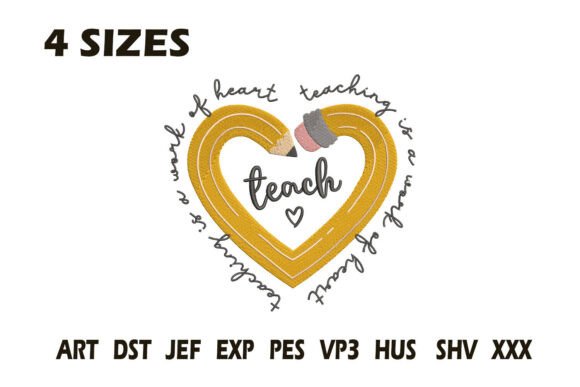
As an embroidery designer who has spent countless weekends setting up booths at local craft fairs and managing online shops, I know that not every design translates well from screen to fabric. When I first pulled up the Teacher Pencil Heart Embroidery file on my digitizing software, I was looking for that specific spark that turns a casual browser into a buyer. This design falls squarely into the Back To School category, but its appeal stretches far beyond the August rush. It is whimsical, charming, and undeniably cute, making it a versatile asset for any handmade business owner.
First Impressions and Aesthetic Appeal
The immediate vibe of this design is playful and approachable. It does not try to be overly elegant or minimalist; instead, it leans into a fun, decorative style that screams "handmade with love." For craft fair sellers, this is crucial. Customers walking past a booth need to understand the product within seconds. The combination of a pencil and a heart is a universal symbol for education and care, making it instantly recognizable. It feels soft and inviting, perfect for items meant to bring comfort or joy. Whether you are targeting teachers, parents, or students, the visual language here is clear and effective.
In terms of style, it bridges the gap between modern cute and rustic charm. It is not so complex that it looks industrial, nor so simple that it looks amateur. This balance is what makes it a strong candidate for a craft fair product. It stands out against plain fabrics without overwhelming them, providing just the right amount of focal point to draw the eye.
Product Versatility and Market Fit
One of the strongest aspects of this machine embroidery design is its adaptability. During my review, I mentally placed it on various blanks to gauge its potential. Here is where it shines:
- Tote Bags and Market Bags: This is arguably the best application. A canvas tote with this design centered creates an instant bestseller. Teachers love functional bags, and the pencil motif reinforces the utility.
- Apron Embroidery: Placed on the bib of a kitchen apron, this design adds a personal touch that elevates a standard item into a giftable handmade product.
- Tea Towel Embroidery: For home decor enthusiasts, stitching this on linen or cotton towels creates a charming kitchen accent. However, care must be taken with the fabric texture to ensure the stitches do not pucker.
- Embroidered Patches: If you offer custom patches, this design works well as an iron-on or sew-on accessory for backpacks and jackets, appealing directly to students.
- Caps and Hats: While possible, curved surfaces require careful hooping. This design might work better on the front panel of a structured cap rather than a unstructured dad hat, depending on the width.
For Etsy sellers and digital creators, this design also serves as excellent content for printable mockup listings. Because the shapes are distinct, it photographs well, allowing you to create compelling social media content that drives traffic to your shop.
Production Practicality for Small Shops
From a production standpoint, time is money. When evaluating a digital embroidery file for a small shop product, I look for efficiency. Does it run smoothly? Is the stitch count reasonable? While I cannot specify the exact stitch count without the file in hand, the visual complexity suggests a moderate density. This is good news for batch production. You are not waiting hours for a single item to finish, which allows you to keep inventory stocked during peak seasons.
The design appears to have clear spacing between elements. This is vital for maintaining clarity, especially if you are downsizing the image for smaller items like pouches or pencil cases. A design that is too dense can become a blob of thread when reduced, but this playful style tends to hold its shape well, provided you respect the minimum size recommendations.
Careful-Use Notes and Technical Considerations
Even the best designs have pitfalls if not handled correctly. Here are my professional notes for using this embroidery file effectively:
- Fabric Texture: Avoid highly textured towels or thick fleece unless you use a heavy cut-away stabilizer. The fine details of the pencil tip may get lost in deep pile fabrics.
- Thread Colors: Contrast is key. If you are stitching on dark fabric, ensure your thread colors pop. A yellow pencil on navy blue works; a beige pencil on white does not. Always test your thread chart against your blank inventory.
- Stitch Density: Check the density settings in your machine software. If the design feels stiff after stitching, reduce the density slightly to allow the fabric to drape naturally, especially on t-shirts.
- Small Lettering: If the design includes any text, verify its legibility at your intended size. Tiny lettering often merges together. If this version is graphic-only, you have more flexibility.
- Curved Surfaces: For caps, use a cap frame and appropriate stabilizer. The heart shape needs to remain symmetrical, which can be tricky on curved seams.
Enhancing Brand Consistency and Buyer Engagement
Using a cohesive design like Teacher Pencil Heart Embroidery helps build brand consistency. If your shop focuses on educational or whimsical themes, this design fits seamlessly into your existing catalog. It signals to buyers that you understand their niche. For booth displays, having a consistent theme across tote bags, aprons, and pillows creates a visually striking table that encourages customers to stop and browse.
Buyer engagement increases when products feel personalized and high-quality. This design contributes to that perception of finished product quality. It looks intentional and professional, which justifies a higher price point compared to plain, undecorated blanks. When customers see the precision of the stitches and the charm of the motif, they are more likely to engage with you, ask questions, and ultimately make a purchase.
Final Designer Recommendations
Before you launch this into your commercial embroidery lineup, take these practical steps. First, always test the design on scrap fabric identical to your final product. This allows you to check for puckering, thread breaks, or color clashes. Second, confirm the hoop size requirements. Ensure your machine can accommodate the necessary frame without re-hooping, which can lead to misalignment.
Third, review the license terms. As a digital embroidery file, it likely comes with specific usage rights. Confirm that you have commercial licensing before selling finished goods. Finally, create at least one real-world mockup or sample piece to photograph. Real photos sell better than digital renders because they show the true texture and scale of the embroidery.
In conclusion, the Teacher Pencil Heart Embroidery is a solid addition to any Back To School collection. It balances aesthetic charm with production practicality, making it a reliable choice for craft fair vendors and online sellers alike. By paying attention to fabric choice, stabilizer selection, and thread contrast, you can turn this simple design into a standout product that resonates with customers and boosts your sales.