Review: Single Pencil Split Applique Embroidery
As an embroidery designer who has spent years digitizing and testing files for commercial use, I approach every new machine embroidery design with a critical eye. It is not enough for a design to look cute on a screen; it must perform under the needle, withstand washing, and serve a strategic purpose for the brand using it. Recently, I evaluated the Single Pencil Split Applique Embroidery file to determine its viability for small business merchandise, branded patches, and custom apparel. This review focuses on how this specific asset functions in a professional context, moving beyond simple decoration to become a tool for brand building.
First Impressions and Visual Personality
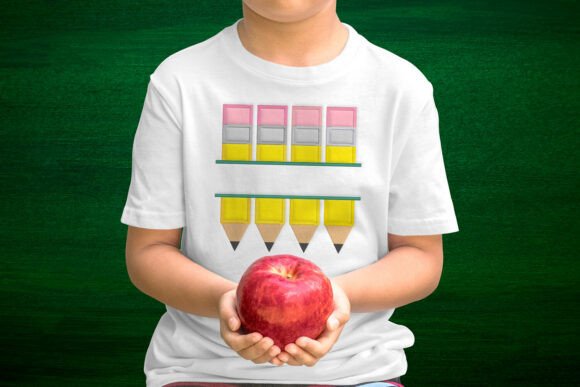
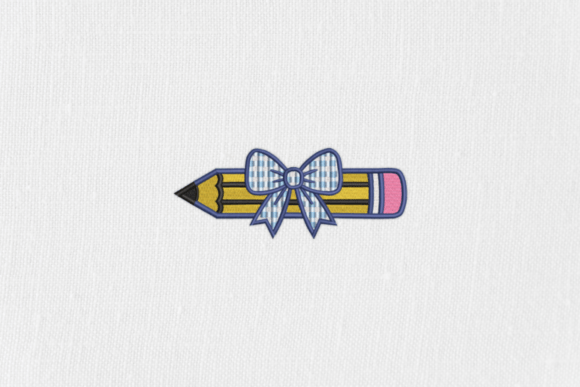
The first thing that strikes you about the Single Pencil Split Applique Embroidery is its inherent versatility. While the product description highlights its suitability for Back To School themes, end-of-year celebrations, and the 100th day of school, the visual structure suggests broader applications. The split-pencil motif creates a natural frame for text, which is a powerful feature for customization. Visually, the design feels friendly and approachable rather than rigid or corporate. It carries a handmade, playful aesthetic that works exceptionally well for creative industries, educational brands, and boutique retailers.
The applique technique itself is a smart choice for commercial production. By utilizing fabric fills rather than dense satin stitches for the main body of the pencil, the design reduces stitch count and bulk. This results in a cleaner finished product that lies flat against the garment, a crucial factor when producing items like caps or lightweight tote bags where stiffness can be a deterrent for customers.
Strategic Applications for Small Business Merch
For small business owners, Etsy sellers, and merch creators, the value of a digital embroidery file lies in its adaptability. Here is how I envision this design performing across various product lines:
- Branded Patches: This is perhaps the strongest use case. The self-contained shape of the pencil makes it ideal for creating embroidered patches. Businesses can place their name or a short slogan in the split center. These patches can be sold as standalone accessories or used to upgrade plain denim jackets and canvas bags, adding perceived value to the handmade product.
- Staff Uniforms and Aprons: For cafes, bakeries, or art studios, this design works beautifully on apron pockets or chest areas. The applique element allows for color matching with brand colors, ensuring visual consistency. It adds a touch of personality to staff uniforms without looking overly casual.
- Tote Bag Design: Canvas totes are a staple for bookstores and markets. The Single Pencil Split Applique Embroidery provides a focal point that breaks up large empty spaces on fabric. Because applique sits well on textured canvas, it avoids the puckering issues often seen with high-density satin columns on loose-weave materials.
- Cap Embroidery: While possible, cap application requires caution. The curved surface of a baseball cap can distort wide designs. If used here, I recommend keeping the text in the split section very short to maintain legibility and ensuring the hoop size accommodates the cap’s curvature without stretching the fabric too tightly.
Technical Performance and Production Notes
From a technical standpoint, working with this embroidery file requires attention to detail to ensure professional results. The description notes that the file comes in 8 formats, which is standard for compatibility across major machine brands. However, before running a full production batch, there are several critical steps every decorator should take.
First, consider the stitch density. Applique designs rely on the underlying fabric for color and texture. If you are stitching on dark uniforms, ensure you choose a light-colored applique fabric for contrast, or vice versa. The outline stitches securing the applique fabric must be sharp and consistent. I recommend testing the design in black and white thread first. This removes the distraction of color and allows you to inspect the spacing and registration of the split center. If the gap for the text is too narrow, your custom lettering may crowd the edges, leading to thread breaks or poor readability.
Second, stabilizer selection is non-negotiable. Because this is an applique design, you are layering multiple materials. Use a cut-away stabilizer for stretchy fabrics like t-shirts to prevent distortion over time. For woven fabrics like twill or canvas used in custom apparel and bags, a tear-away may suffice, but always test for residue. The goal is a crisp edge around the pencil shape that does not fray after washing.
Navigating Size and Scale Constraints
One common mistake in commercial embroidery is scaling a design too small. The Single Pencil Split Applique Embroidery has intricate elements, particularly where the pencil tip meets the split. If you attempt to shrink this for a tiny left-chest logo on a polo shirt, the details may merge. I advise checking the recommended hoop size limits provided by the designer. If the minimum size is 4x4 inches, do not attempt to stitch it at 2x2 inches. For smaller applications, consider simplifying the text or removing the text entirely to let the graphic stand alone.
Additionally, be mindful of fabric texture. On highly textured fleece or terry cloth, the fine outlines of the pencil might get lost. In such cases, increasing the stitch width slightly or choosing a contrasting thread color can help the design pop. Always create a printable mockup or stitch out a sample on the actual garment material before presenting it to a client. This manages expectations and prevents costly reworks.
Impact on Brand Identity and Customer Trust
Why does the choice of design matter for brand identity? Consistency builds trust. When a customer sees a well-executed embroidered item, they perceive higher quality. The Single Pencil Split Applique Embroidery contributes to this perception by offering a clean, intentional look. Unlike all-over prints, embroidery adds tactile dimension. It signals that care was taken in the production process.
For educational brands or creative studios, this design reinforces a narrative of learning, creativity, and craftsmanship. It is not just a logo; it is a symbol of the values the business represents. When used on customer gifts or event merch, it enhances buyer engagement. People are more likely to wear and use items that feel unique and personalized. The ability to add custom text in the split section allows for limited-edition runs, such as "Class of 2024" or "Summer Workshop," which drives urgency and exclusivity in sales.
Final Verdict for Commercial Use
The Single Pencil Split Applique Embroidery is a robust asset for any decorator’s library. It bridges the gap between seasonal novelty and year-round branding potential. While it shines in Back To School collections, its utility extends to any business that values a handmade, artisanal aesthetic.
Before integrating this into your design assets, confirm the commercial licensing terms. Ensure you have the right to sell finished products made with this file. Check the specific file formats to match your machine’s requirements. Test the design on your most common substrates. If you manage these technical details, this design can become a reliable staple in your commercial embroidery offerings, helping you deliver high-quality, branded merchandise that customers love to wear and use.
Remember, the success of any embroidered item depends on the synergy between design, material, and execution. This pencil applique offers a strong foundation; your skill in hooping, stabilizing, and thread selection will determine its final impact. Use it wisely, and it will serve your small business well.