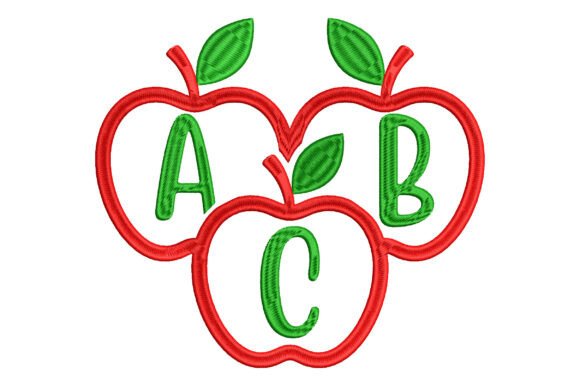
Review: Back to School Machine Embroidery Design
As an embroidery designer who spends countless hours digitizing and testing files for commercial use, I approach every new download with a critical eye. The Back to School Machine Embroidery Design recently caught my attention on Creative Fabrica, specifically because of its potential for the high-volume seasonal rush that defines late summer and early autumn in the handmade industry. For those of us running small businesses, finding reliable design assets that balance aesthetic appeal with technical stitchability is crucial. This review breaks down my honest evaluation of this product, focusing on its practical application for real-world projects rather than just its visual preview.
First Impressions and Visual Mood
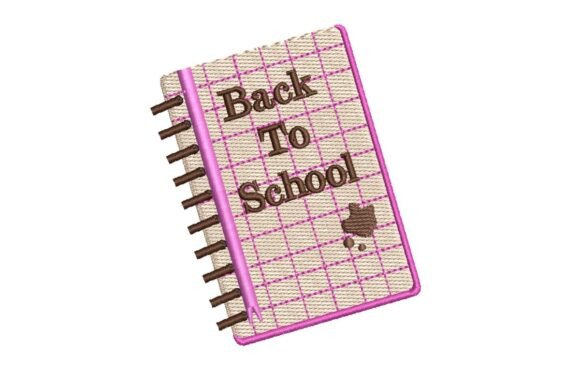
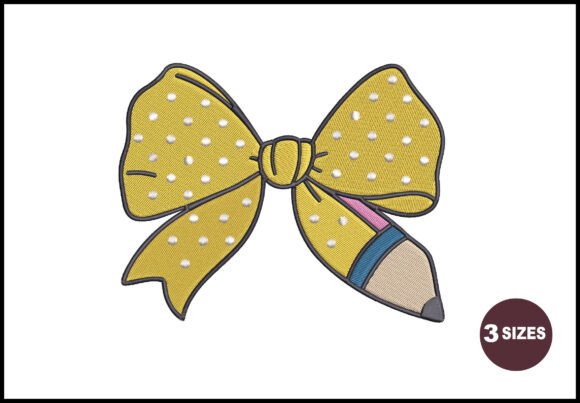
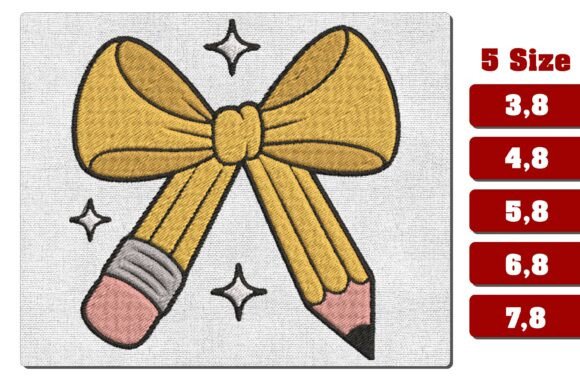
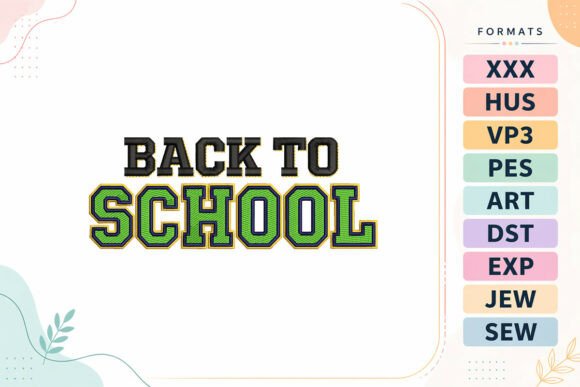
The initial appeal of this Back to School Machine Embroidery Design lies in its simplicity. In the world of Embroidery, less is often more, especially when targeting a broad audience like parents and students. The design avoids overly complex layering, which suggests it was created with efficiency in mind. Visually, it carries a playful yet clean mood, making it versatile enough for various age groups. It does not scream "childish" in a way that limits its market; instead, it offers a creative touch that can elevate standard back-to-school items without overwhelming the base material.
When examining the stitch personality, the design appears to utilize a balanced mix of satin stitch borders and fill stitch areas. This combination is ideal for creating texture without excessive bulk. For a designer, this means the final finished product will have a professional look, avoiding the flat appearance that sometimes plagues simpler digital embroidery file options. The decorative appeal is strong, particularly for those looking to add a personalized touch to everyday items.
Real-World Application for Commercial Projects
The true test of any machine embroidery design is how it performs on actual merchandise. I evaluated this file with several common commercial applications in mind. For custom apparel, such as t-shirts and polo shirts, the design’s scale seems appropriate for left-chest placement or larger back prints. However, its versatility shines brightest on accessories.
- Tote Bag Design: Canvas bags are a staple for students. This design would anchor a custom tote beautifully, offering enough visual weight to stand out against the textured fabric.
- Sweatshirt Embroidery: On fleece or cotton blends, the design needs to hold up against the nap of the fabric. The clear lines suggest it will remain legible and crisp on heavier garments.
- Embroidered Patch: Creating iron-on or sew-on patches is a lucrative niche. This design’s contained shape makes it an excellent candidate for patch production, allowing for easy cutting and finishing.
- Room Decor: From pillow covers to wall hangings, the motif fits well within the Work category of home organization and study spaces, adding a functional decorative element.
For Etsy sellers and craft fair vendors, this type of Creative Fabrica embroidery asset is invaluable during the seasonal rush. It allows for rapid product creation, whether you are making personalized gift sets for teachers or bulk orders for local school fundraisers.
Technical Considerations and Stitch Performance
While the visual preview is promising, experienced embroiderers know that technical details determine success. One must consider stitch density. If the fill areas are too dense, they can cause puckering, especially on lighter fabrics like cotton twill or linen. Conversely, if the density is too low, the underlying fabric may show through, ruining the color vibrancy. Since the product description mentions it comes with multiple formats, it is essential to check the specific file details for your machine.
Fabric choice plays a significant role here. For stretchy fabrics like jersey knits used in t-shirts, a cut-away stabilizer is non-negotiable to prevent distortion. For woven fabrics like canvas tote bags or aprons, a tear-away stabilizer might suffice, but testing is key. When working with dark fabric, ensure your thread colors provide sufficient contrast. A light thread on a dark navy backpack will pop, but poor tension could lead to visible backing or bobbin thread, which detracts from the professional quality of the handmade product.
Another critical factor is hoop size. Before purchasing, verify that the design fits within your machine’s maximum hoop area. If you plan to embroider on curved surfaces, such as caps, ensure the design is not too wide, as this can cause registration issues on the curved field of a cap frame.
Enhancing Product Value and Brand Consistency
Using a well-executed design like this directly impacts buyer trust. Customers associate clean, crisp stitching with high-quality craftsmanship. When you use a reliable applique design or standard embroidery file, you reduce the risk of production errors, such as thread breaks or misalignment. This consistency helps build your brand reputation.
Furthermore, the visual appeal of this design lends itself well to product photography. A clean, simple motif photographs better than cluttered, overly complex designs, especially in lifestyle shots featuring backpacks or desk setups. This can improve your online listings, leading to higher customer engagement. For those selling digital products or printable mockups, having a versatile design allows you to create diverse marketing materials that resonate with the back-to-school sentiment.
Practical Tips for Best Results
To ensure the best outcome with this Back to School Machine Embroidery Design, I recommend the following steps before starting your production run:
- Test on Scrap Fabric: Always stitch a sample on the exact fabric type you intend to use. This helps you adjust tension and stabilizer choices.
- Check Thread Color Contrast: Use a color chart to simulate how the design will look on different fabric shades. High contrast usually yields the best visual impact.
- Review Stitch Density: If your machine allows, review the stitch file in your editing software to identify any potential jump stitches or dense areas that might need tweaking.
- Confirm Hoop Size: Ensure the design dimensions match your hoop capabilities to avoid resizing, which can distort stitch proportions.
- Inspect Small Details: After stitching, check the smallest elements of the design. Are the lines sharp? Is there any pulling? This inspection is vital for quality control.
- Verify Licensing: Always read the license terms on the Creative Fabrica product page. Confirm that commercial use is permitted for the specific items you plan to sell, such as finished physical goods.
In conclusion, the Back to School Machine Embroidery Design offers a solid foundation for seasonal crafting. Its simplicity is its strength, allowing for versatility across various products from kitchen towels to baby blankets. By paying attention to technical details like stabilizer selection and thread contrast, you can transform this digital asset into a high-value commercial embroidery product that customers will love. For designers looking to expand their seasonal catalog, this file is worth considering as part of your broader collection of design assets.