Review: Back to School Rocket Books Design
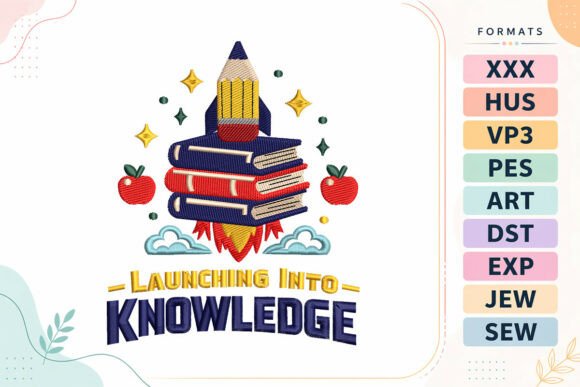
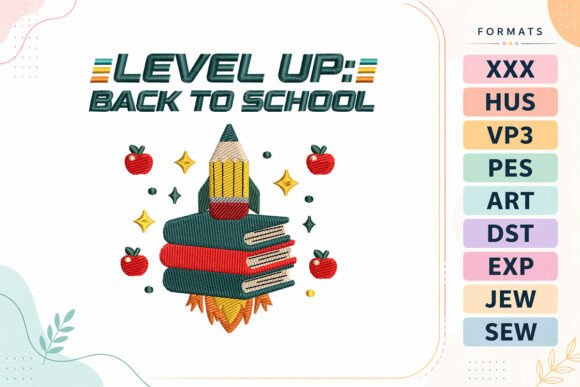
As a designer who spends more time staring at stitch maps than actual fabric, I have learned that the difference between a cute digital preview and a sellable finished product often comes down to layout logic and density management. When I first pulled up the Back to School Rocket Books file, my initial reaction was one of cautious optimism. The concept is charming—stacked books morphing into a rocket ship with a pencil topper—but charm does not always translate well to thread. After putting this design through its paces on various textiles, I am ready to share how it holds up in real-world applications for Etsy sellers, boutique owners, and hobbyists alike.
First Impressions and Visual Personality
The mood of this design is playful yet structured. It captures that specific excitement of a new school year without relying on clichéd, overly complex imagery. The transformation of books into a rocket body is clever, offering a vertical silhouette that works surprisingly well for narrow spaces. Visually, the design relies on clear shapes rather than intricate shading, which is a smart move for embroidery. Complex gradients often turn into muddy messes on smaller hoops, but this design keeps its integrity by using distinct color blocks.
For a craft business owner, visual clarity is currency. Customers scrolling through an online shop need to understand the image instantly. The apple accents and the pencil topper provide immediate context, signaling "education" and "growth" without needing text. This makes the design versatile enough for various age groups, from preschoolers to college students, depending on how you style the final item.
Real-World Application: The Tote Bag Test
To truly evaluate a machine embroidery design, you must stitch it on the intended medium. I chose a heavy canvas tote bag for my primary test. This is a popular item for back-to-school promotions and teacher gifts. The vertical orientation of the rocket books fit perfectly on the side panel of the bag, leaving ample room for personalization below or above the graphic.
The stitching process revealed the importance of proper stabilization. Canvas has a loose weave, and without a cut-away stabilizer, the weight of the stacked books could have caused puckering. Once stabilized correctly, the design lay flat. The fill stitch areas in the books provided a nice texture that contrasted well with the smoother satin stitch outlines of the rocket fins. For a small shop product, this textural variety adds perceived value, making the item feel premium rather than mass-produced.
Apparel and Custom Sweatshirts
Moving from accessories to apparel, I tested the design on a mid-weight cotton sweatshirt. Here, the stitch density became a critical factor. The central body of the rocket, formed by the books, is relatively dense. On stretchy fabrics like jersey or thin cotton, this density can cause the fabric to pull or warp. However, on a structured sweatshirt, it performed beautifully. The design sits comfortably on the left chest or as a larger centerpiece on the back.
For custom apparel businesses, this design offers a great opportunity for upselling. Imagine offering this as part of a "Teacher Appreciation" collection or a "First Day of School" bundle. The clean lines allow for easy integration with variable data, such as adding a student’s name in a complementary font below the rocket. Just ensure that any added text does not compete with the detailed pencil topper, which already serves as a focal point.
Navigating Technical Challenges
While the design is robust, it is not without its limitations. Experienced embroiderers know that tiny details are the first to suffer during production. The apples and the eraser on the pencil topper are small elements. If you attempt to scale this design down significantly for a embroidered patch or a baby onesie, these details may merge or lose definition. I strongly advise checking the minimum recommended size in your software before resizing.
Furthermore, consider the fabric texture. On highly textured materials like terry cloth or fleece, the fine lines of the book pages might get lost. In such cases, switching to a higher contrast thread palette can help maintain visibility. For dark fabrics, ensure you are using bright, vibrant thread colors to make the rocket pop. A navy blue thread on a black shirt will vanish, ruining the impact of the design.
Curved surfaces, such as caps, present another challenge. The vertical length of the rocket means it must be centered precisely to avoid distortion near the seams. If you are new to cap embroidery, practice on scrap material first. The rigid structure of a cap front panel helps support the design, but improper hooping can lead to shifting, which would misalign the stacked books.
Commercial Viability and Brand Consistency
From a business perspective, Back to School Rocket Books is a strong asset for seasonal collections. It fits neatly into the holiday embroidery calendar, specifically the late summer rush. For digital embroidery file sellers, this design appeals to buyers looking for modern, non-traditional school motifs. It moves away from the standard ABC blocks and offers a more dynamic, aspirational image.
When creating printable mockup assets for your online store, remember to showcase the design on diverse products. Show it on a tote bag design for students, a sweatshirt embroidery for teachers, and perhaps a kitchen towel for parents. This demonstrates versatility and helps customers visualize the end use. Consistency in presentation builds trust. If your mockups look professional and realistic, buyers are more likely to perceive the handmade product as high-quality.
Designer Notes for Best Results
- Test on Scrap Fabric: Always run a test stitch on the same type of fabric you plan to use for the final product. This helps identify tension issues before they ruin a saleable item.
- Check Thread Contrast: Use contrasting colors for the books, rocket fins, and pencil to ensure each element is distinct. Monochromatic schemes may look sleek but can obscure the design’s clever composition.
- Review Stitch Density: If your machine struggles with dense areas, consider using a lighter weight thread or adjusting the underlay settings in your editing software.
- Confirm Hoop Size: Ensure your hoop is large enough to accommodate the full height of the rocket without re-hooping, which can cause alignment errors.
- Licensing Verification: Before selling finished items or using this in commercial projects, confirm the license terms provided with the design assets. Most designers allow physical sales but restrict digital redistribution.
Final Verdict
The Back to School Rocket Books design is a thoughtful, well-constructed addition to any embroidery library. It balances whimsy with professionalism, making it suitable for both personalized gift markets and broader commercial applications. While it requires attention to detail regarding scaling and fabric choice, the results are rewarding. For makers looking to elevate their back-to-school offerings, this design provides a fresh, engaging option that stands out in a crowded market. By respecting the technical constraints and leveraging its visual strengths, you can create products that not only look good but also resonate with customers seeking meaningful, quality craftsmanship.